{{ item.categories[0] }}

The confidence to come home

“Parents are often terrified they’ll get something wrong when caring for their child at home. Our job is to give them confidence, so they know they’re never facing it alone.”
The first time I met baby Summer, she was still in hospital.
She had been born with a severe brain injury and was receiving care at Evelina London Children’s Hospital. After the hospital’s specialist palliative care team referred the family to ellenor, we began working alongside them to support Lauren, Rob and Summer.
Her parents had already heard the words no parent should ever have to hear. After Summer was born, an MRI confirmed she had hypoxic-ischaemic encephalopathy (HIE), a severe brain injury, and they were told she was unlikely to live for long. By the time I met them, they were trying to come to terms with taking Summer home, knowing the time they had together might be heartbreakingly short.
Like so many families I meet, they were frightened.
Hospital felt safe. There were nurses nearby day and night. Doctors were only moments away. Monitors offered constant reassurance.
Home felt very different. Home meant responsibility. Home meant wondering what would happen if Summer became poorly. Home meant facing the unknown.
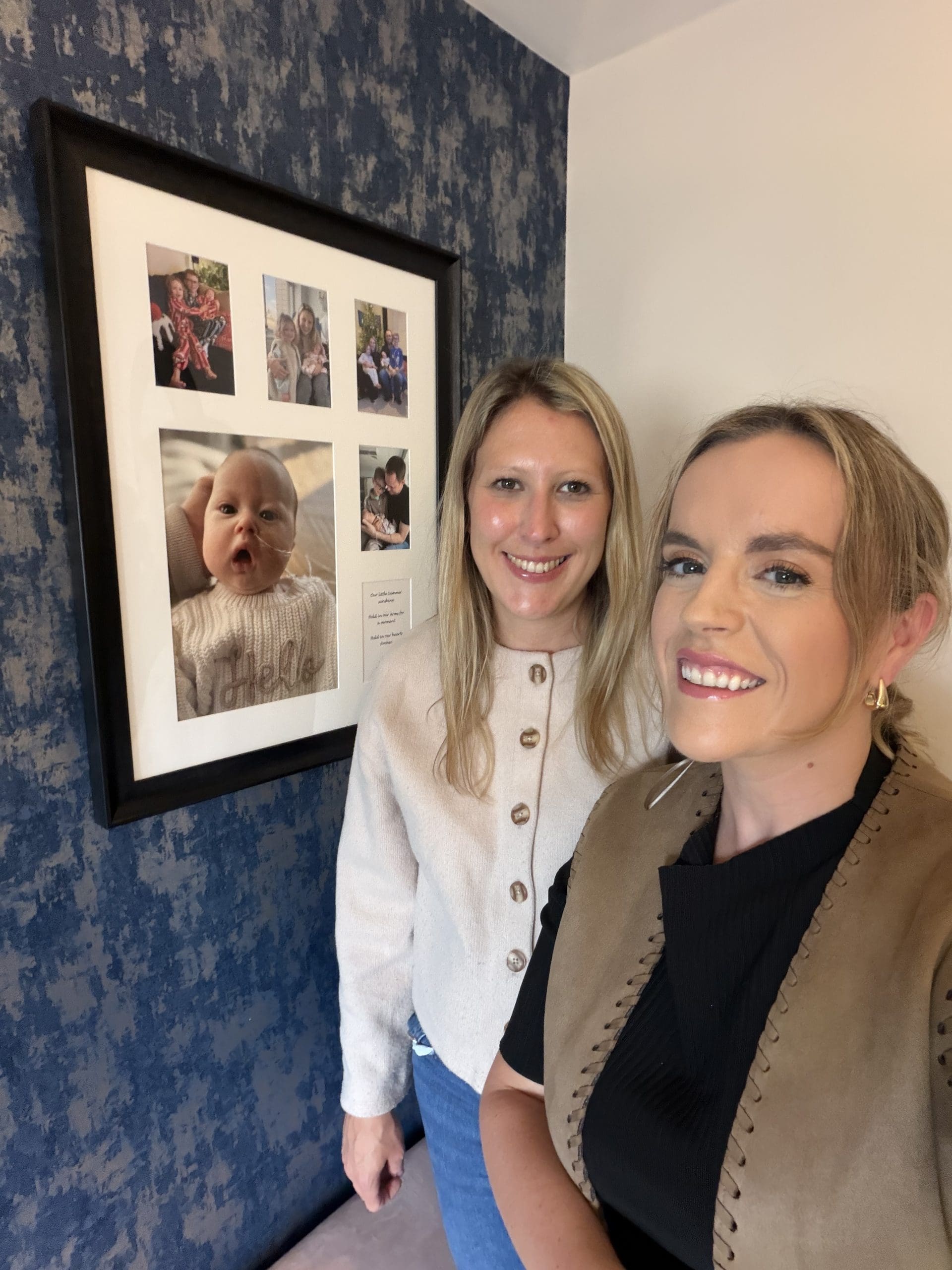
As one of ellenor’s Children’s Clinical Nurse Specialists, my role wasn’t just to care for Summer. It was to give Lauren and Rob the confidence to bring their daughter home, where they could spend precious time together, make memories and be a family.
And it’s only possible because people choose to support ellenor.
People often think children’s hospice care is about the final days of a child’s life. The reality couldn’t be more different.
Yes, we provide specialist nursing care and manage complex medical needs. But so much of what we do is about helping families live together, stay together and make memories together for as long as they can.
When Summer came home, I visited regularly, sometimes every day, sometimes several times a week. I checked she was comfortable, made sure her symptoms were well managed and taught Lauren and Rob the practical skills they needed to care for her confidently at home.
But some of the most important moments didn’t involve nursing at all.
They happened around the kitchen table. Over cups of tea. Talking. Listening. Sometimes we’d spend longer talking about how Lauren was coping than we did discussing Summer’s medical care. We’d talk about Rob, about Summer’s older brother and sister, and about the grandparents trying to support everyone while carrying their own heartbreak.
That’s something people don’t always realise about children’s hospice care.
We’re not just caring for one child. We’re supporting an entire family.
One day I’m helping parents apply for Disability Living Allowance – financial support that can make a real difference when caring for a seriously ill child brings extra costs. The forms are long and exhausting, especially when you’re already running on very little sleep. The next day I might be writing to an employer explaining why Mum or Dad needs time away from work. We speak to hospitals, GPs, schools and therapists, so parents don’t have to tell their story repeatedly. We make sure the right support reaches the whole family, because brothers and sisters need support too.
We can refer parents and grandparents for counselling, arrange specialist play therapy for brothers and sisters and help families access practical support they may never even know exists.
None of those things sounds extraordinary.
Until you’re a parent trying to make the most of every precious moment with your child.
Then every form, every phone call and every appointment demands your attention, when all you really want is to be together.
That’s why the support matters.
Because it gives families something they can never have enough of.
Time. Time to read another bedtime story. Time for cuddles on the sofa. Time to watch brothers and sisters laugh together. Time to make memories. Time to just be a family.
One of the moments that will stay with me forever was helping Summer’s family keep their plans to visit Lapland UK.
The trip had been booked long before they knew about Summer’s diagnosis. As Christmas approached, Lauren wondered whether they should cancel. What if Summer became unwell? What if something happened while they were away from home?
Rather than asking them to give up one of the memories they’d dreamed of making together, we asked ourselves a different question. How could we make it possible?
No family should lose precious memories because they’re frightened to leave the safety of a hospital.
Working with colleagues and, with Lauren and Rob’s permission, local healthcare teams, we made sure there was a plan in place if Summer needed medical support. We made sure everyone understood her care needs so the family could enjoy being together.
Before they left, we delivered Christmas stockings and Lapland hats for Summer and her brother and sister.
They were only small gifts.
But children’s hospice care is often about the smallest things.
The moments families remember aren’t usually the clinical ones.
They’re the photographs. The smiles. The laughter. The memories that become priceless.
That’s especially true at Christmas.
While many of us are thinking about presents and Christmas dinner, the families we support are often worrying about medication, hospital appointments or whether their child will be well enough to wake up at home on Christmas morning.
For many families, Christmas becomes something to survive rather than celebrate.
Our job is to help them find moments of joy again.
Every Christmas, we create safe festive events for children who can’t attend busy attractions because they’re vulnerable to infection. We deliver presents donated by our local community and, perhaps most importantly, we make sure every family knows there will always be someone to answer the phone.
No family should ever face Christmas alone.
Sadly, Summer died in December.
Although our nursing care came to an end, our support didn’t.
Lauren has received bereavement support and knows it’s there whenever she feels ready to return. Summer’s brother is currently being supported through specialist play therapy, and when Amelia is a little older, she’ll be able to access that support too. Summer’s grandmother is also receiving counselling from ellenor.
Because when a child dies, the whole family grieves.
Our care doesn’t stop when a child dies.
We continue supporting families for as long as they need us.
When I think about Summer now, I don’t first think about her death. I think about the fact she was able to be at home. I think about her family making memories together. I think about the confidence Lauren and Rob found to care for their daughter where they wanted her to be.
In the end, home became the place where Summer’s family wanted to say goodbye.
That is something I’ll never forget.
This Christmas, more local families will hear devastating news about their child. More parents will wonder whether they can cope at home. More brothers and sisters will watch their world change overnight.
With the support of our community, ellenor will be there. Giving parents the confidence to bring their child home. Helping families make precious memories together, whatever time they have.
That’s the difference your kindness makes.
Filter by: