{{ item.categories[0] }}

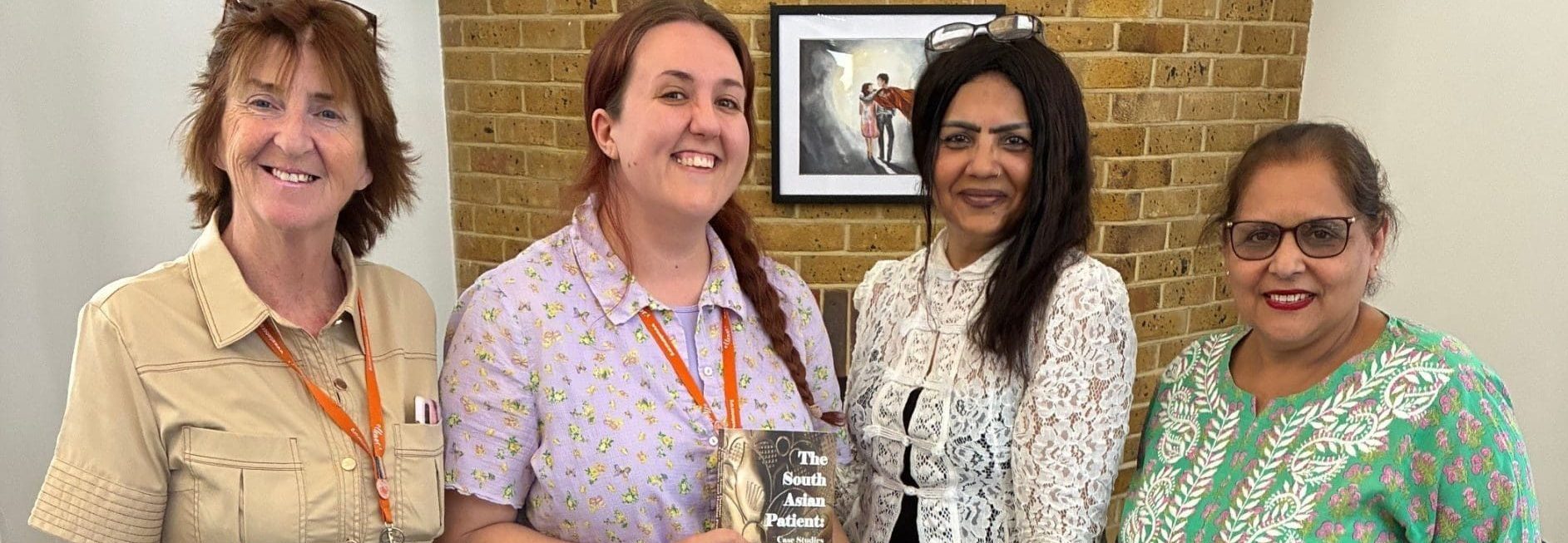
Canadian healthcare leader visits ellenor to learn from hospice care in practice.
As part of her work helping establish Brampton’s first hospice in Canada, healthcare leader Gurwinder Gill visited ellenor to learn more about hospice care in practice. She left with ideas she will take back to Canada and a deeper understanding of the role hospices play in supporting patients, families and communities.
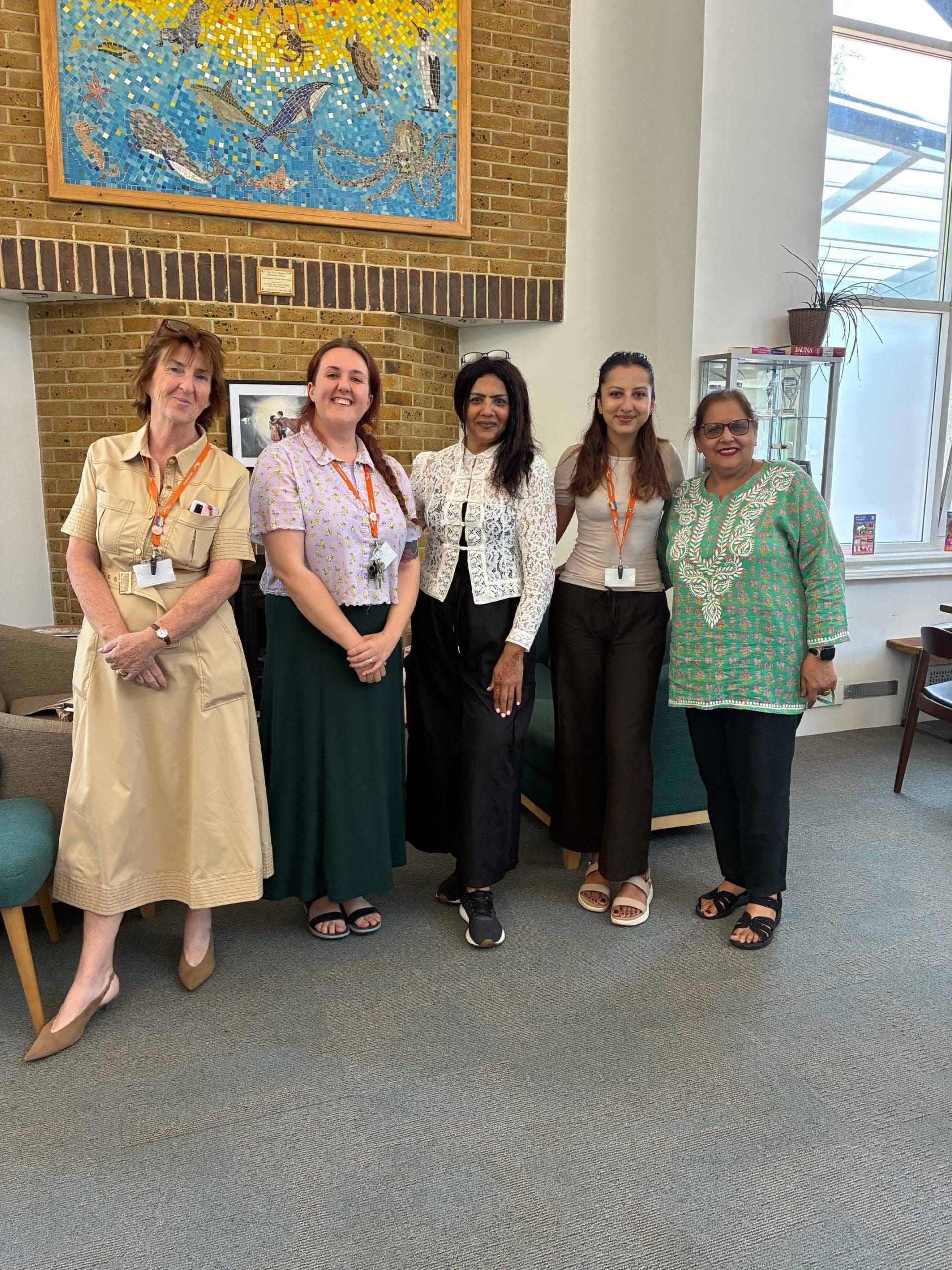
When Gurwinder visited ellenor, she expected to learn more about how a hospice works.
What she did not expect was how much she would take away from the visit.
A former Director of Health Equity, Inclusion and Anti-Discrimination in Canada’s healthcare system, Gurwinder is helping establish Brampton’s first hospice. During her visit, she met staff, toured the hospice and learned more about the support available to patients and families.
By the end of the visit, she described the experience as “an eye opener”.
Gurwinder said that there are some things you can only learn by seeing hospice care in practice.
For her, the visit reinforced the gap between what many people think hospice care is and what it actually provides.
“It’s not just a place you go to die,” she said. “It’s also about the wellbeing, holistic care.”
As she walked around the hospice, Gurwinder found herself looking at hospice care differently.
She spoke about weddings taking place at the hospice, volunteers helping create memory books, complementary therapies and the support offered to families as well as patients.
Again and again, conversations came back to what matters most to people and families, and the ways a hospice can help make “this horrible period of time a little bit more liveable”.
She was also struck by the practical ways ellenor helps people maintain comfort, dignity and choice, including accessible bathing facilities, resident rooms opening to outdoor spaces and the opportunity to spend time outside when they wish.
“I’ve picked up ideas, creativity, that we need to ensure we have in place when we build our hospice in Brampton,” she said.
What stayed with her was not the building itself.
It was the culture.
Gurwinder spoke repeatedly about the importance of making people feel welcome and ensuring hospice care is accessible to everyone.
She highlighted ellenor’s Quiet Room, its work within local communities and its willingness to take conversations into places where people already feel comfortable.
“That is inclusivity that you cannot model anywhere else,” she said.
“Going out into different places of worship. Going out and making them comfortable, having those discussions in the community where they are.”
She also spoke about the practical ways barriers can be removed.
“You’ve got foods and meals that are being prepared according to different cultural needs,” she said.
“It’s for everyone.”
For someone whose career has focused on breaking down barriers to healthcare, these were the things that stood out.
Healthcare organisations, she believes, can sometimes make things more difficult than they need to be.
“People put up barriers unnecessarily,” she said.
“All it takes is a little more time, energy and resourcefulness.”
Throughout the visit, Gurwinder returned to the importance of making hospice care accessible to people who might not traditionally see it as a service for them.
“I would love for people to see what I see in hospices,” she said.
The visit also brought back memories of her own family’s experience of hospice care.
Many years ago, hospice staff supported her sister at the end of her life.
“If the hospice staff were not there, I don’t know how we would have coped. The care and love that my sister received, that we received as a family, is something I have never forgotten.”
Gurwinder believes many people still do not fully understand what hospice care is or the support available to families.
“I would like to be able to say to everyone that a hospice is for everyone,” she said.
“This is what it looks like. This is the care you will receive. This is the support the family will receive.”
For her, the visit reinforced the value of seeing hospice care in practice.
“Honestly, this has been an eye opener here. If more people knew about what you’re doing here, it would put ellenor on the world map.”
To find out more about ellenor’s care and support services, visit ellenor.org. Healthcare professionals interested in learning more about ellenor’s approach to hospice care can contact the Education team at education@ellenor.org
Filter by: