”What is most important to you?”
One of the cruellest things illness takes from people is not life itself but the life they recognised as their own.
The ability to climb the stairs without thinking about it. To get in the car and go where they want. To make plans six months ahead without wondering whether you’ll be well enough to keep them.
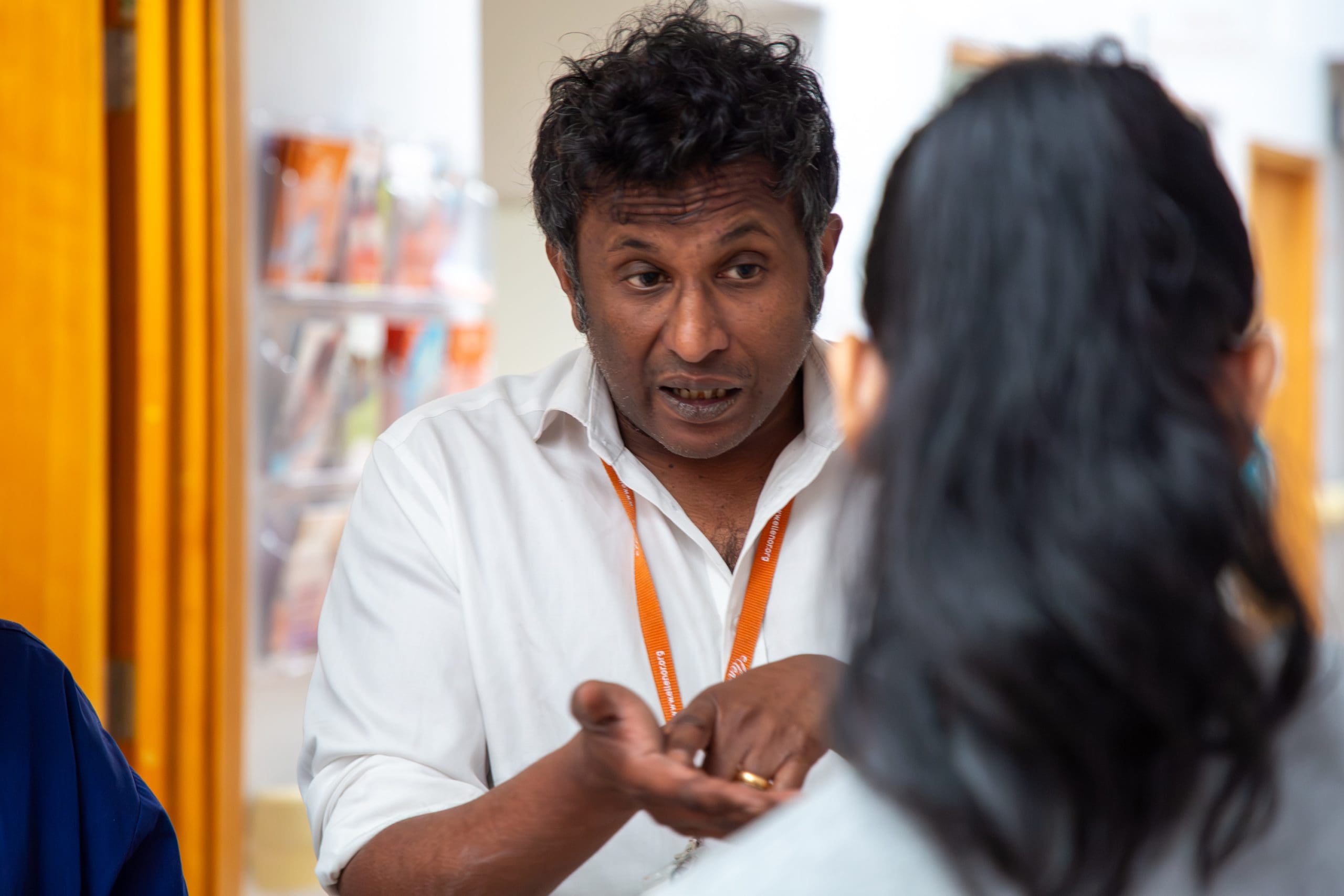
“When people become ill, they lose autonomy,” says Dr Soumen Saha, Consultant in Palliative Medicine at ellenor.
“They lose the ability to make decisions for themselves.
“They lose the ability to climb the stairs and do things they would have done in their sleep
before.
“That comes under the umbrella of dignity.”
Before discussing symptoms, treatment or care plans, Dr Saha wants to understand what matters most to the person sitting in front of him.
“What’s most important to you?”
The answer is rarely about medication. More often it is about the things illness threatens to take away.
Time with family. A wedding with friends. A holiday already booked. Christmas. Being able to leave the house.
Being able to feel like yourself.
For Dr Saha, hospice care is about helping people live as well as possible for whatever time lies ahead.
Much of the fear surrounding illness comes from not knowing what will happen next.
“People don’t know what death itself looks like.
“What does the dying process involve?
“Is it painful? I think a lot of people worry that it is painful.”
People worry about becoming dependent on those they love. They worry about leaving loved ones behind. They worry what happens next. Some fear that being referred to a hospice means treatment has come to an end.
Dr Saha is quick to challenge that assumption.
“We’re there to work with their oncologists, with their heart specialists or lung specialists or kidney specialists or any other healthcare specialists already involved in their care” says Dr Saha.
That support often starts much earlier than people realise.
“Palliative medicine isn’t just about people at the end of their lives,” he says. “They are there to help people live their best life.”
“If you’re frightened and unsure, but not knowing is eating you up, it’s always better to ask,” he says.
Not everyone wants the same amount of information. Some people want every detail. Others prefer answers a little at a time.
“And that’s all right. “
Most people supported by ellenor are cared for in their own homes.
“People never have to set foot in the hospice if they don’t want to,” says Dr Saha.
“They can be seen by our team at home. We review their medication, review their symptoms and review how they’re doing generally.”
Underlying everything he says is a belief that serious illness should not automatically mean losing choice.
“We want to maximise people’s choice,” he says.
“We want to maximise people’s choice,” he says.
For anybody unsure whether to reach out for support, his advice is:
“If you’re not sure, and it’s bothering you that you’re not sure, there’s only one way to deal with that. And that’s to ask. Ask as little or as much as you want to.”
Because every person is different. Every family is different. Every situation is different.
“Hospice care is largely whatever you want it to be,” he says.
“We won’t use a scripted way of doing it.
“We will do it in a way that is tailored to you and the way you want it to be done.”