{{ item.categories[0] }}

Hospice Care Isn’t What Most People Think
For many of us, death is something we struggle to talk about – we soften the words, lower our voices and often put off conversations often until it’s too late for proper support, planning or peace of mind.
But at ellenor, a hospice charity based in North Kent, death is part of daily life. And it’s not bleak or morbid – it’s compassionate, human, and at times, quietly beautiful.
Our care reaches children, adults and families across North Kent and Bexley – supporting them in their homes, in hospital, in care homes or at our hospice in Northfleet. We support people living with life-limiting conditions – while some illnesses can be treated successfully, others reach a stage where treatment is no longer curative, and the focus shifts to comfort and quality of life – this might include advanced cancer, or neurological conditions like motor neurone disease, Parkinson’s, or multiple sclerosis. Every condition is different but what we offer is always the same: comfort, dignity and care that puts people and families first.
“We often hear the same thing from families,” says one of our nurses. “‘I wish we’d come sooner.’ And it breaks your heart – because we could have done so much more. Not just for the person dying, but for the whole family.”
At a time when end-of-life care is under increasing pressure across the NHS, and more people are living longer with complex conditions, hospices like ellenor offer something increasingly rare: time, space and the expertise to make dying – and grieving – a little less frightening.
Yet myths about hospice care still persist. And they can stop people from reaching out at the very moment they need support most.
Myth 1: “Hospice care is just for the final days.”
The most common misconception is that hospice care only begins in the final few days of life. In fact, our care can start much earlier – weeks, months, even years before someone dies.
“A young parent with cancer might receive support from the point of diagnosis,” explains a member of our palliative care team. “It’s about improving quality of life, managing pain, offering counselling, supporting children – not just preparing for death, but helping people live well for as long as possible.”
Much of this care takes place in people’s homes. Our specialist teams – nurses, doctors, carers, therapists, volunteers – support adults and children across Dartford, Gravesham, Swanley and nearby areas. We’re there not just for the person who is unwell, but for their whole family too – often providing care and support over many months, or even years.
Myth 2: “Hospices are bleak, clinical places.”
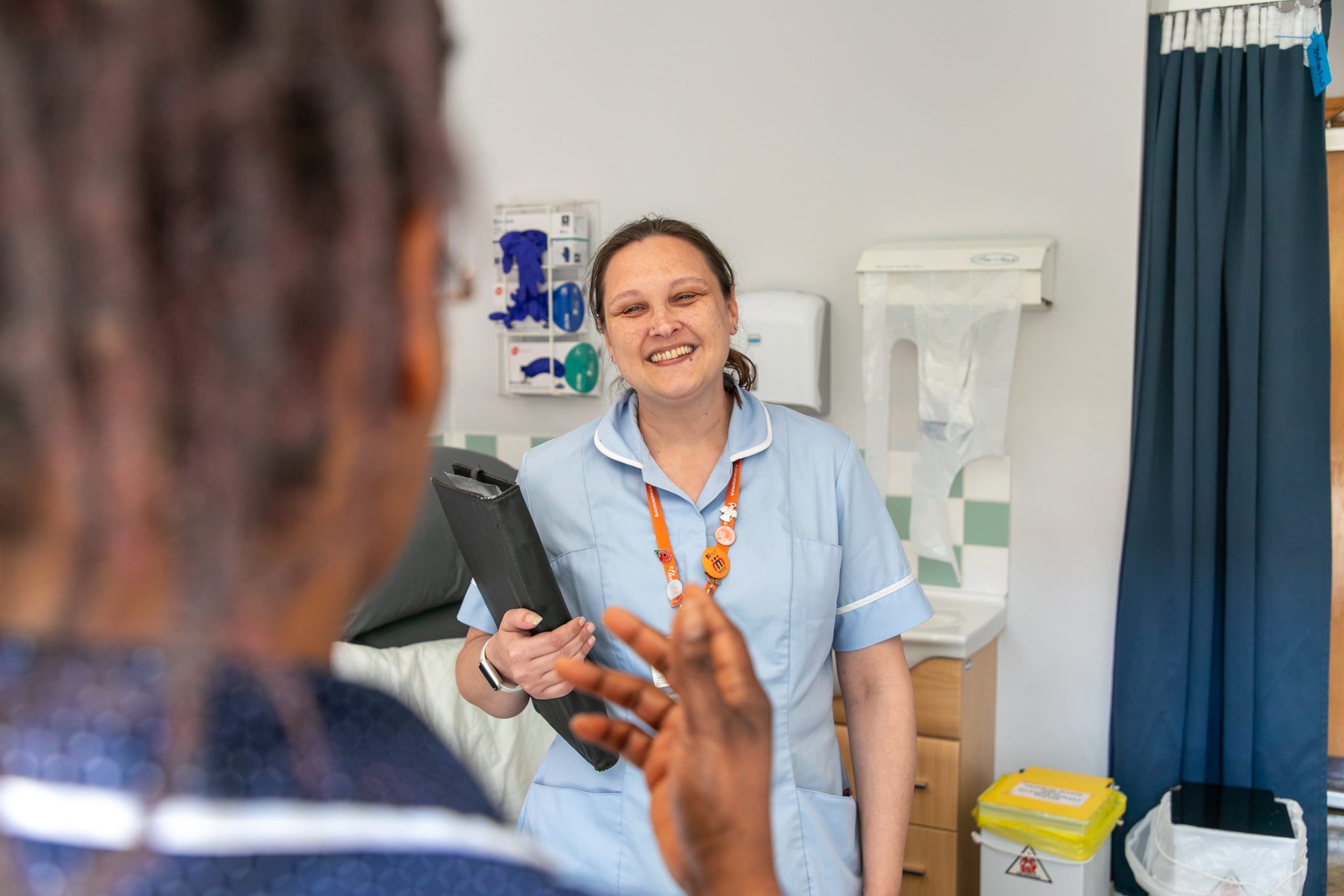
Step inside ellenor’s hospice in Northfleet and you’ll find something very different. Yes, there are quiet rooms and medical equipment. But there’s also laughter, art, live music, memory making – and a gentle sense of calm.
As one patient described it, “Walking through the doors of ellenor was like being wrapped in a big hug – suddenly I felt safe, cared for and not alone anymore.”
Our Wellbeing Centre is a vibrant hub, offering everything from creative therapy to group support sessions. And our inpatient ward provides round-the-clock care in a setting that feels more like home than hospital.
“We talk a lot about dignity” says a member of the Wellbeing Team. “But we also talk about living. About helping people feel like themselves. Helping them enjoy their interests, and creating moments of joy right up to the end.”
Myth 3: “Grief begins when someone dies.”
At ellenor, we know that grief often begins much earlier – from the moment of diagnosis, with each small loss of ability or independence, with the fear of what lies ahead.
Children are supported to express difficult feelings through play and creative therapies. Parents and partners can access counselling early on, helping them to process emotions before loss occurs. And our support doesn’t stop when someone dies. Many families remain in touch with ellenor for months or even years, continuing to receive guidance, comfort and connection when they need it most
We don’t use phrases like ‘moving on’,” says one of our counsellors. “Loss becomes part of who we are. Our role is to help people find ways to carry it, and still find meaning, connection, and the happiness in life.”
Children are supported to express difficult feelings through play and creative therapies. Parents and partners can access counselling early on, helping them to process emotions before loss occurs. And our support doesn’t stop when someone dies. Many families remain in touch with ellenor for months or even years, continuing to receive guidance, comfort and connection when they need it most.
Myth 4: “Talking about death makes things worse.”
Avoiding death doesn’t protect us – it isolates us.
ellenor encourages open, age-appropriate conversations with patients, children and families. Our teams are trained to listen, to create a safe space for honest conversations and to answer questions many of us are afraid to ask.
“People want to talk about what matters to them. Sometimes it’s practical – wills, funerals, care choices. Sometimes it’s deeply emotional – their fears about pain, about their loved ones, about what happens next. We owe them the space to be heard.”
Myth 5: “You have to go through it alone.”
Above all, we want people to know you don’t have to face death or grief alone.
Hospice care is about far more than just beds and medication. It’s about human connection. Whether someone is approaching the end of life or learning to live without someone they love, the message is the same: ellenor, is here for you and your family.
And our support doesn’t stop when someone dies. Many families stay connected with ellenor for months or even years, finding comfort, understanding and companionship – not only from our teams but also from the other patients, carers and families they meet along the way. Some go on to volunteer, share their story or fundraise – helping others to benefit from the same care and support they received.
Filter by: